The role of companies and communication
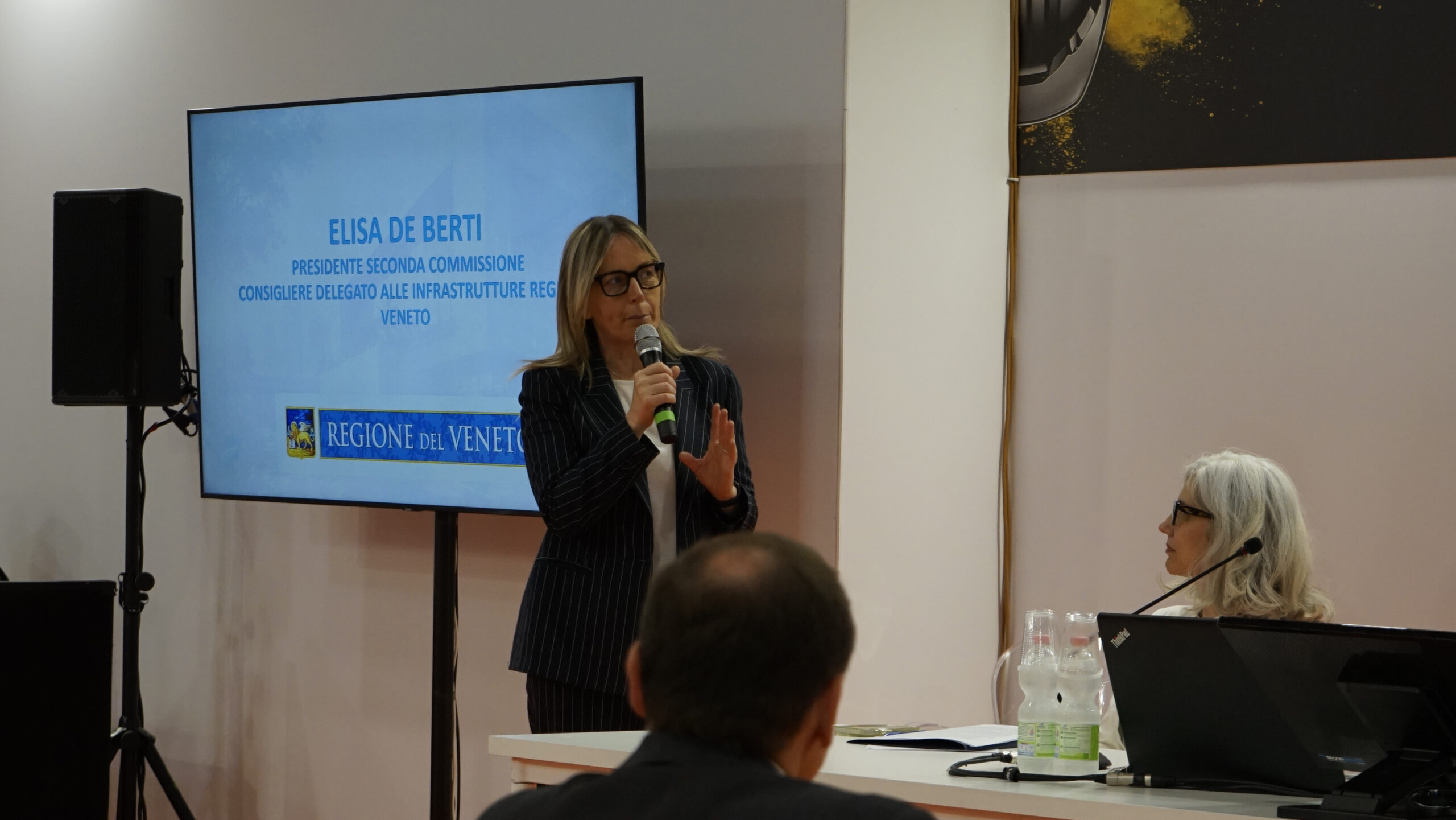
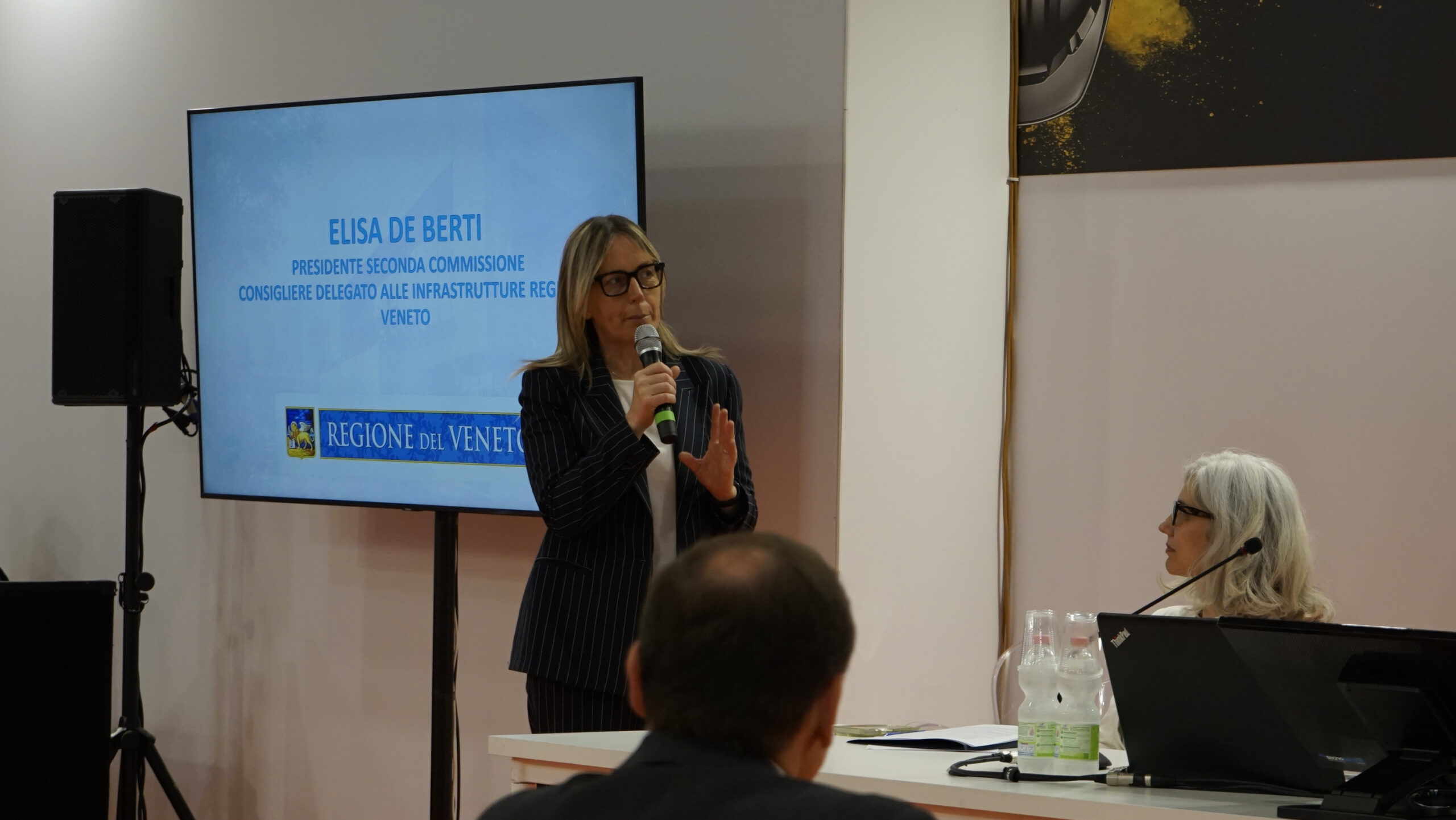
Among the institutional speakers, Elisa De Berti (Veneto Region) highlighted the strategic role of companies that invest in innovation: businesses that focus on new technologies make a crucial contribution to the development of the sector in the country, but it is essential that these innovations are communicated clearly and transparently.
A key point that underlines the importance not only of innovation itself, but also of its proper positioning and communication to the market and the public.
Innovation and concrete solutions for the sector
During the meeting, President Federico Furlani emphasized the growing importance of developing innovative and practical solutions to meet market needs:
“Today it is increasingly necessary to design smart and tangible solutions to help customers face the daily challenges of the sector. New materials, new demands, and a focus on recovery are challenges that the industry is increasingly addressing.”
This concept was also reiterated during the discussion, where it emerged that technological innovation is a key factor in improving efficiency, safety, and competitiveness.
BIM and digital site management
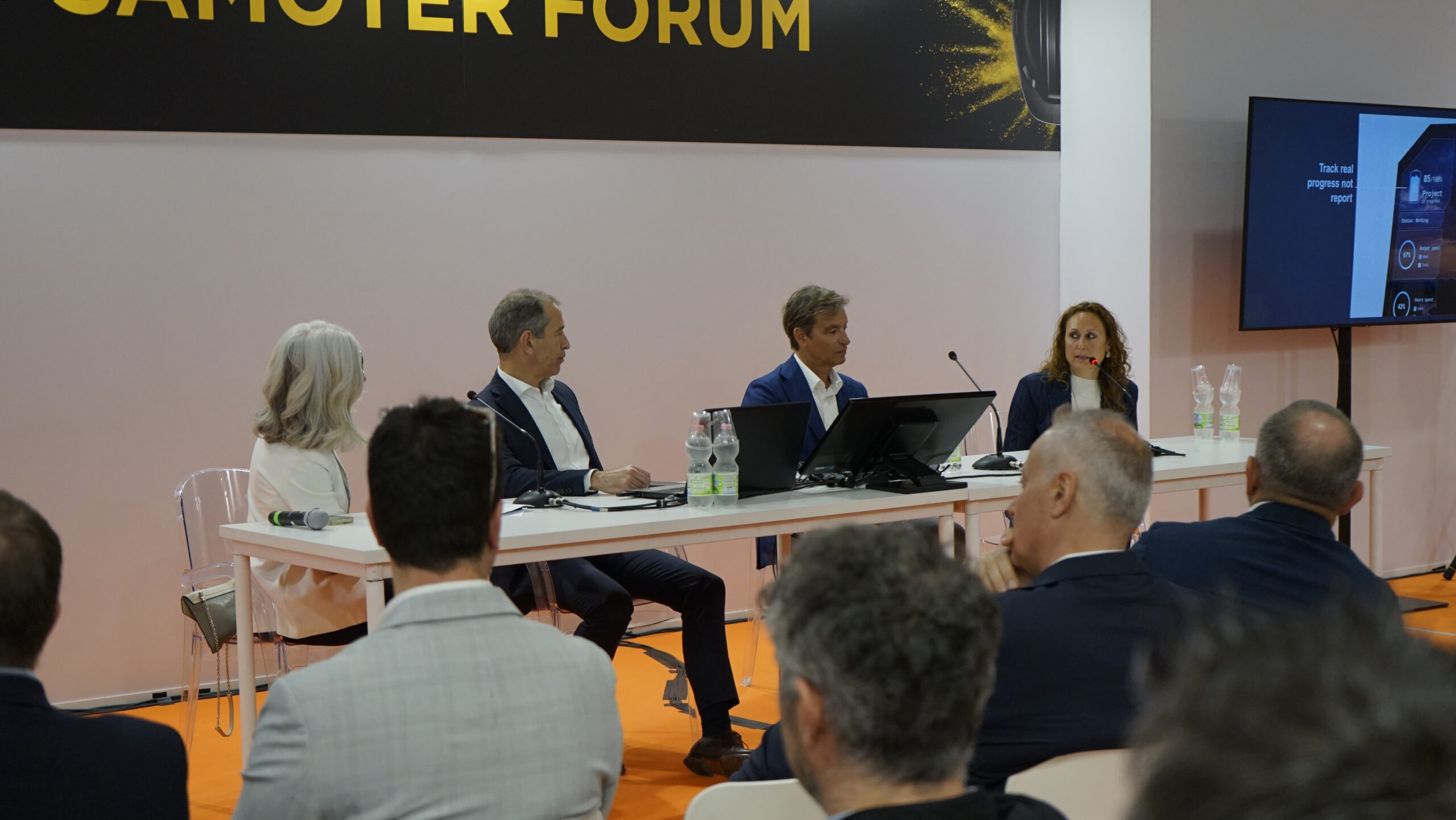
One of the main topics addressed during the conference was the use of BIM (Building Information Modeling) models to improve project management.
Engineer Gabriella Manginelli from Veneto Strade highlighted how detailed planning is essential to avoid critical issues such as site stoppages, design errors, and operational delays.
For a public client, the main difficulty is having a clear and timely view of project progress. Information comes from different stakeholders and is therefore often fragmented and not always aligned. Progress reports (SAL) are based on checks that are not always immediate, and the connection between the design and the on-site reality is limited. This can lead to delays, misunderstandings, and, in the worst cases, disputes.
“BIM is a useful and already widespread tool, but it often remains a design tool: the added value lies in connecting it to reality. The Build Trust platform allows real progress to be linked to model elements, updating it over time.”
This supports project management and the RUP (Project Manager) in monitoring activities and ensures a reliable digital as-built model. It also creates a useful foundation for future asset management, an increasingly important topic in the public sector.
Digital Plant and predictive maintenance
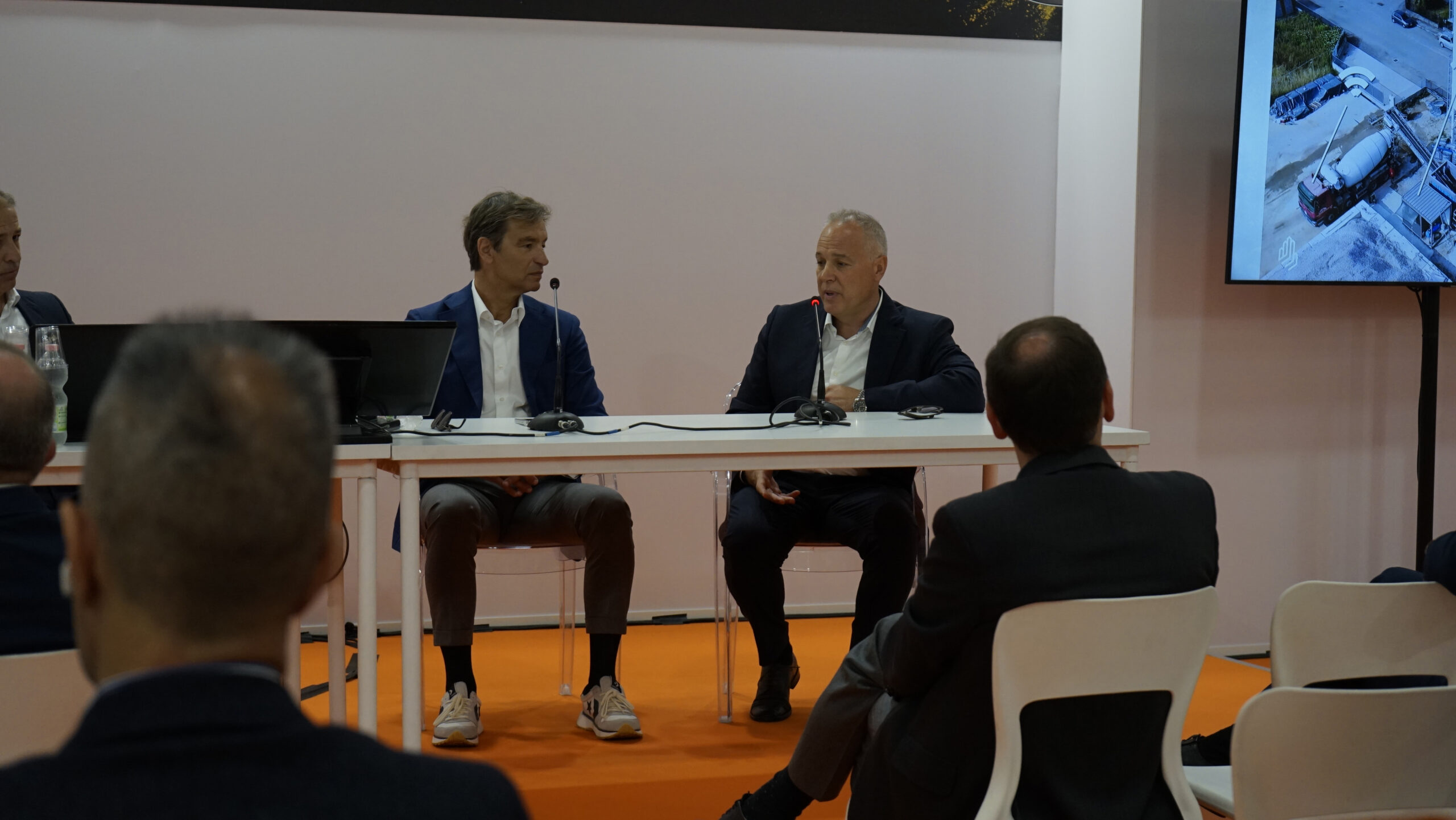
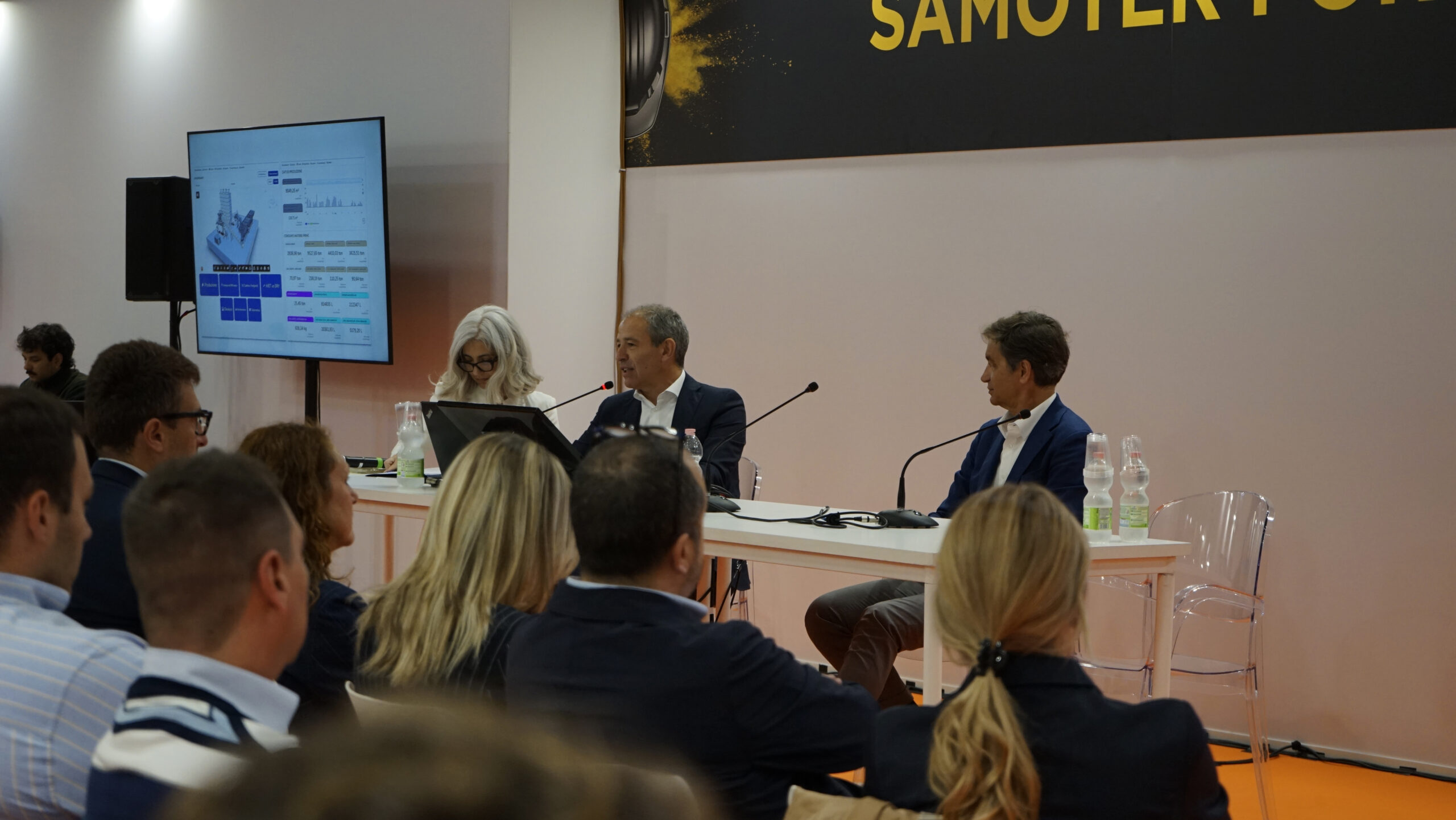
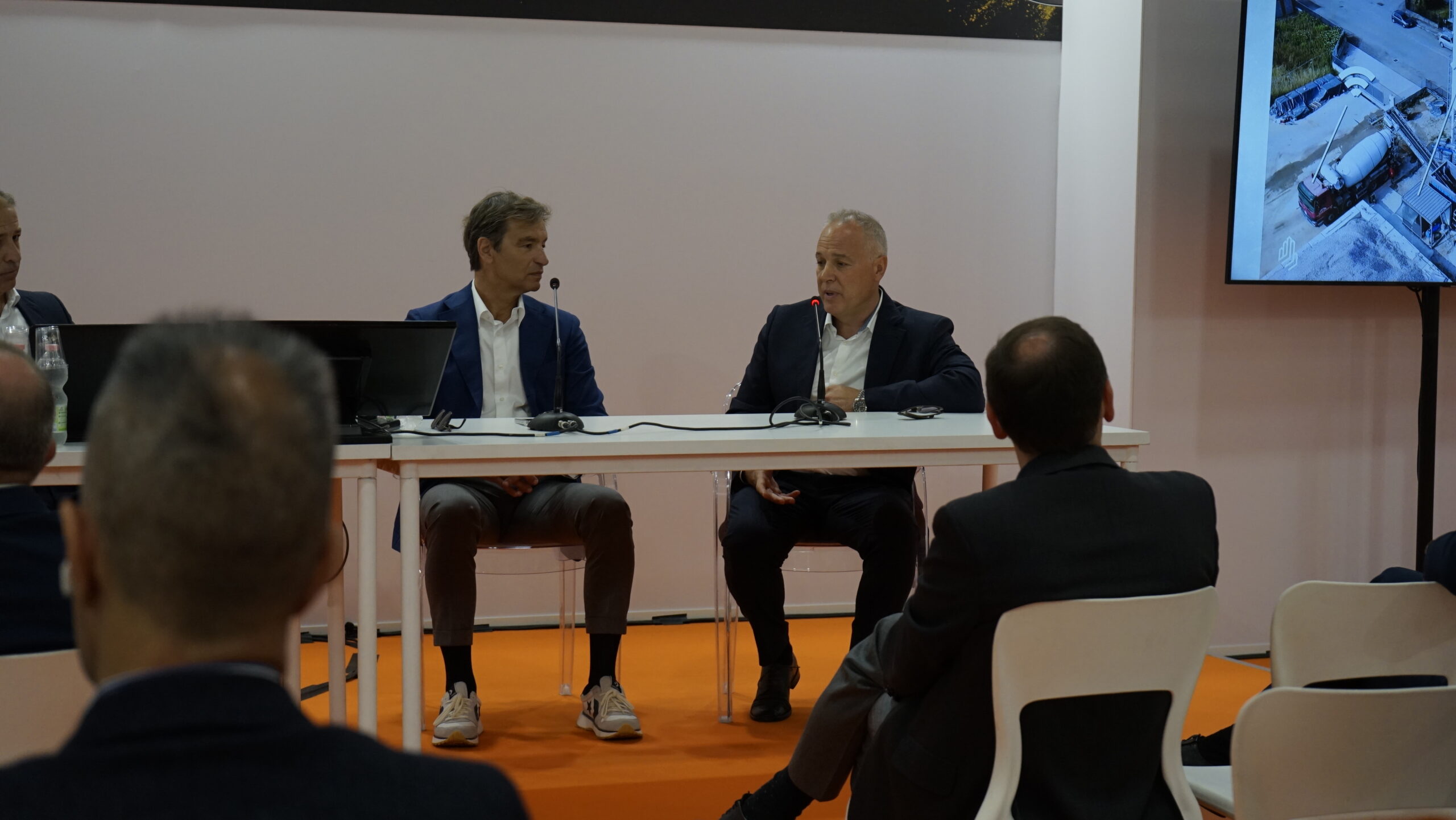
Another concrete case was presented by Andrea Landi, Technical Manager at Betonrossi Spa, who illustrated the benefits of the Digital Plant module implemented in the company’s concrete plants.
According to Landi, particularly in the ESG context, sustainability data is becoming increasingly important: being able to measure emissions and consumption enables companies to address these requirements in a structured way.
In procurement tenders, control over this data allows companies to clearly stand out from competitors.
From a maintenance perspective, Digital Plant enables faster decision-making and actions: optimizing mix designs, targeted interventions, and correcting inefficiencies result in significant savings in both costs and time. This approach also improves the traceability and sustainability of the produced concrete.
“The added value is avoiding plant downtime and improving overall production efficiency,” Landi explained.
Safety: from prevention to active technology
Significant attention was also given to construction site safety, which is becoming increasingly central today.
Stefano Dal Monte from Sustain Tech Hub emphasized that relying solely on human attention is no longer sufficient: safety must be supported by advanced technological tools capable of proactively preventing risks.
For consultants, as in his case, The Safe Place enables work based on objective and continuous data, allowing immediate and precise actions: targeted training and dynamic updates of the risk assessment document (DVR). It also makes it possible to measure the effectiveness of the actions taken.
A moment for discussion on the future of the sector
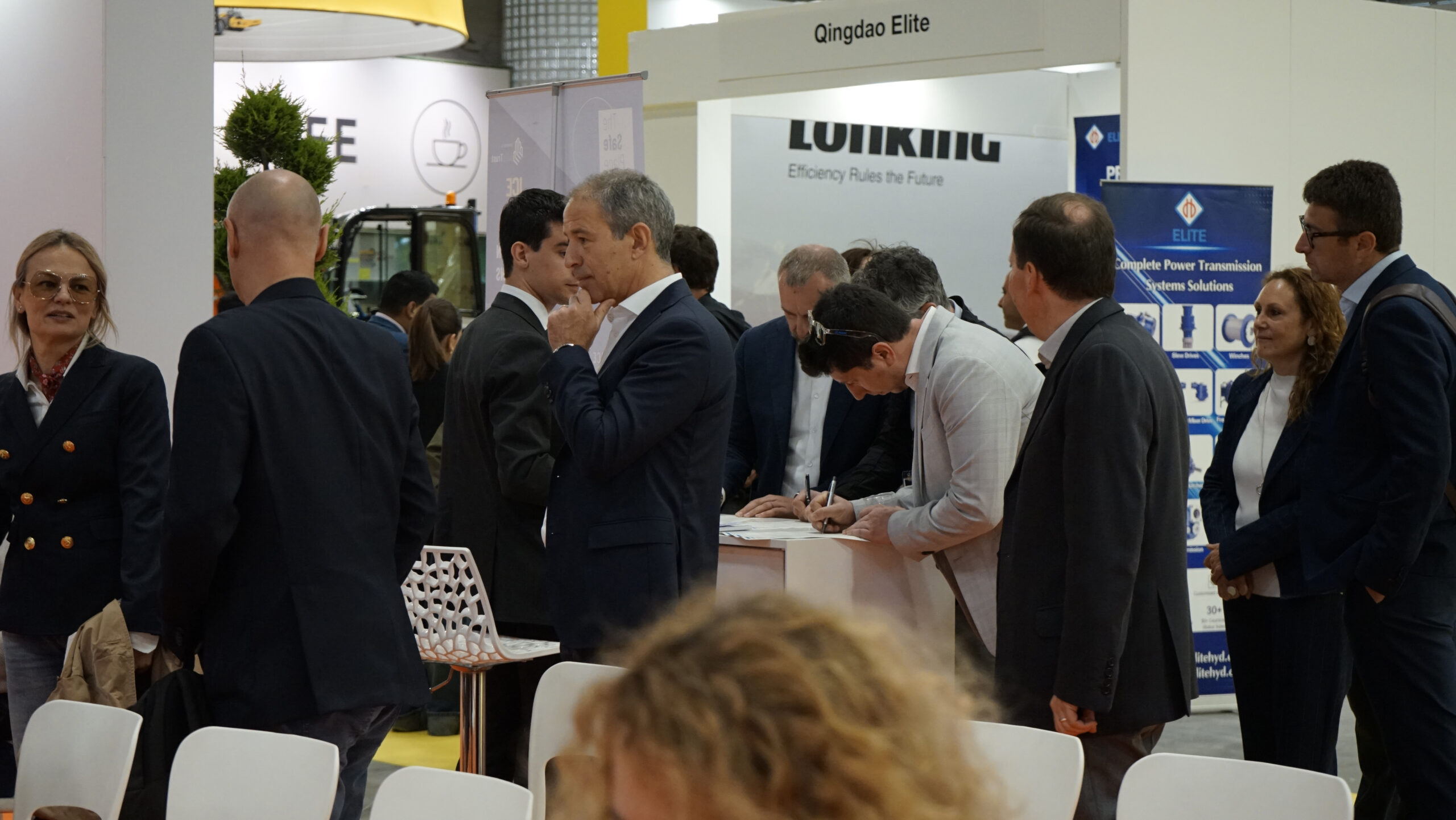
The event proved to be an important opportunity to present Build Trust solutions to a wide audience of companies and professionals, fostering dialogue on key strategic topics for the industry.
The conference highlighted how the future of construction increasingly depends on:
- the digitalization of processes
- smart safety solutions
- operational sustainability
An ecosystem in which technology and expertise work together to make the sector more efficient, safer, and more competitive.